
Why choose coco over peat?
Slash GHG emissions by replacing peat
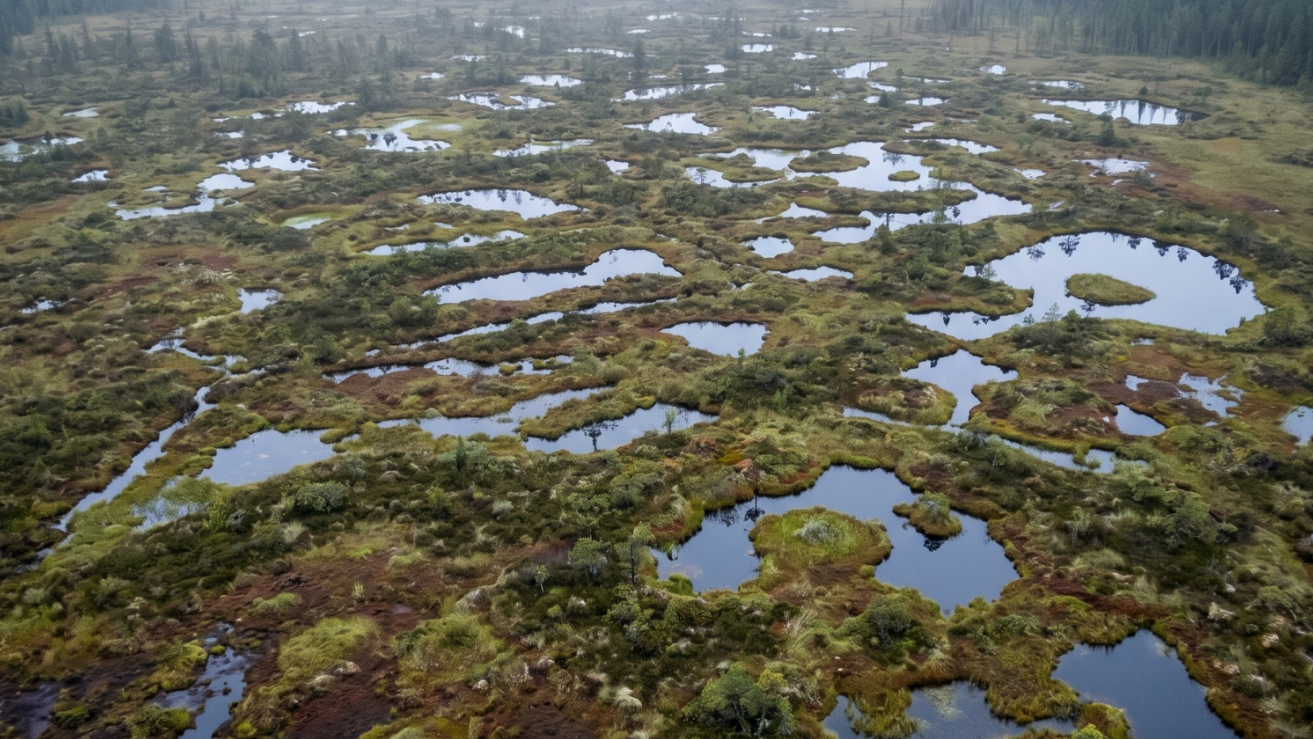
Peat stores 1/3 of all global carbon; replacing it with coco prevents that carbon from being released.
Peat stores 1/3 of all global carbon; replacing it with coco prevents that carbon from being released.
Stay ahead of incoming peat bans
The UK, Germany & Norway are banning peat sales in 2026. More restrictions are coming.
The UK, Germany & Norway are banning peat sales in 2026. More restrictions are coming.
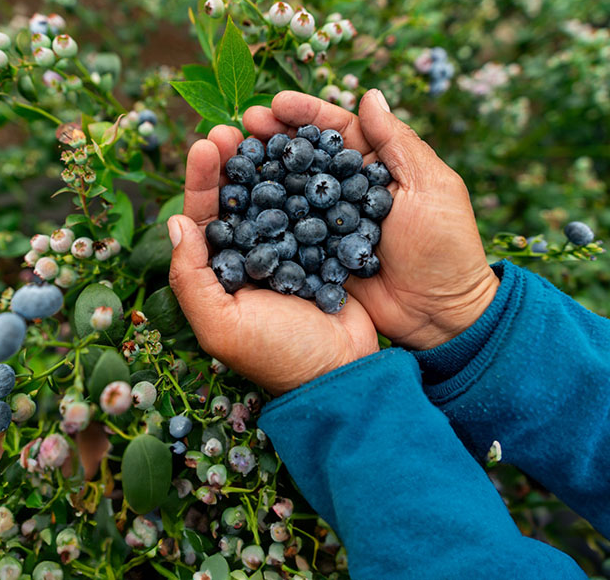
Boost yields with superior performance
Higher yields from superior water absorption, root aeration, and high-lignin structural longevity.
Higher yields from superior water absorption, root aeration, and high-lignin structural longevity.
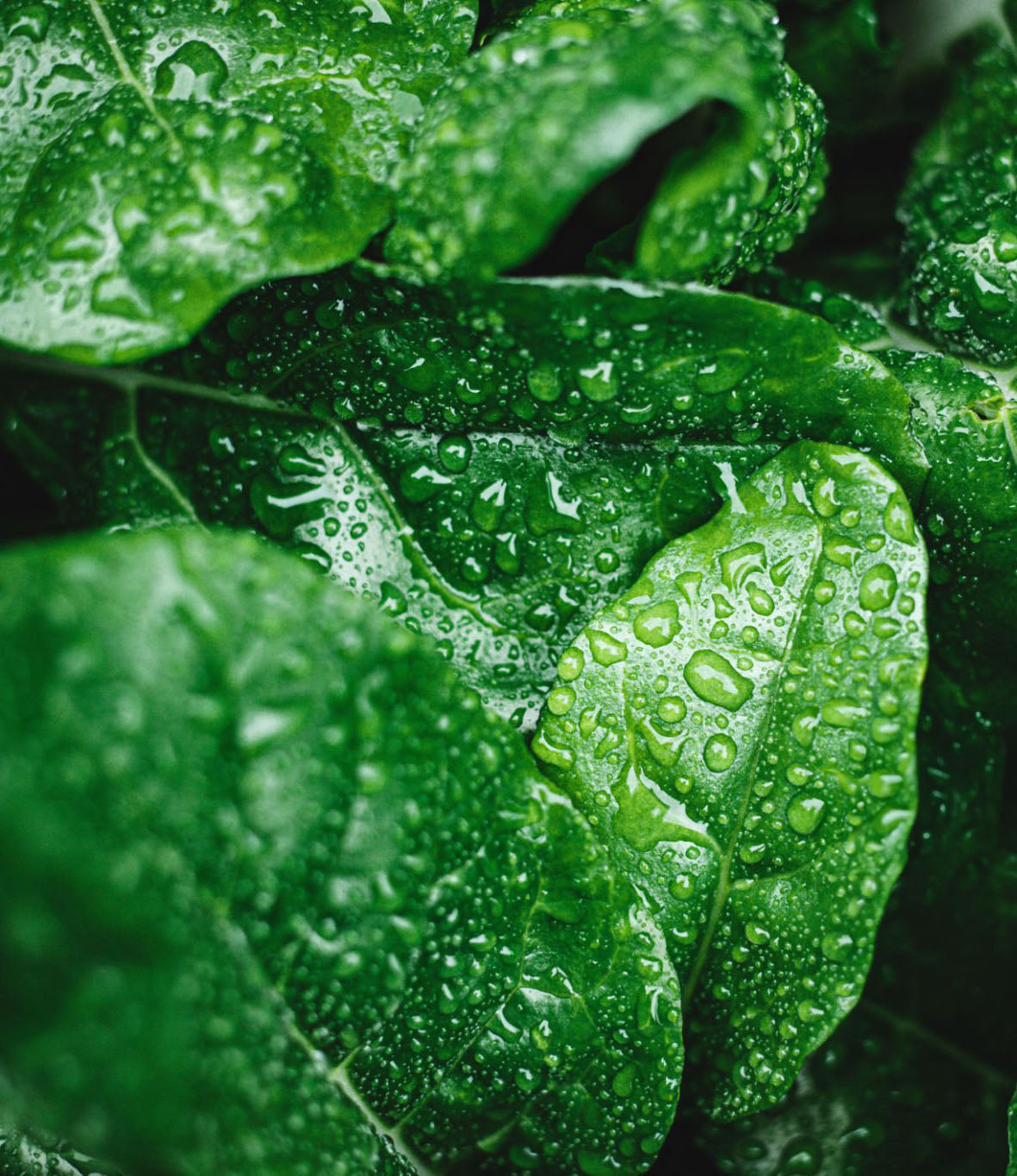
Fight drought with better water retention
Holds up to 9× its dry weight in water; stays moist 5× longer than traditional topsoil.
Holds up to 9× its dry weight in water; stays moist 5× longer than traditional topsoil.
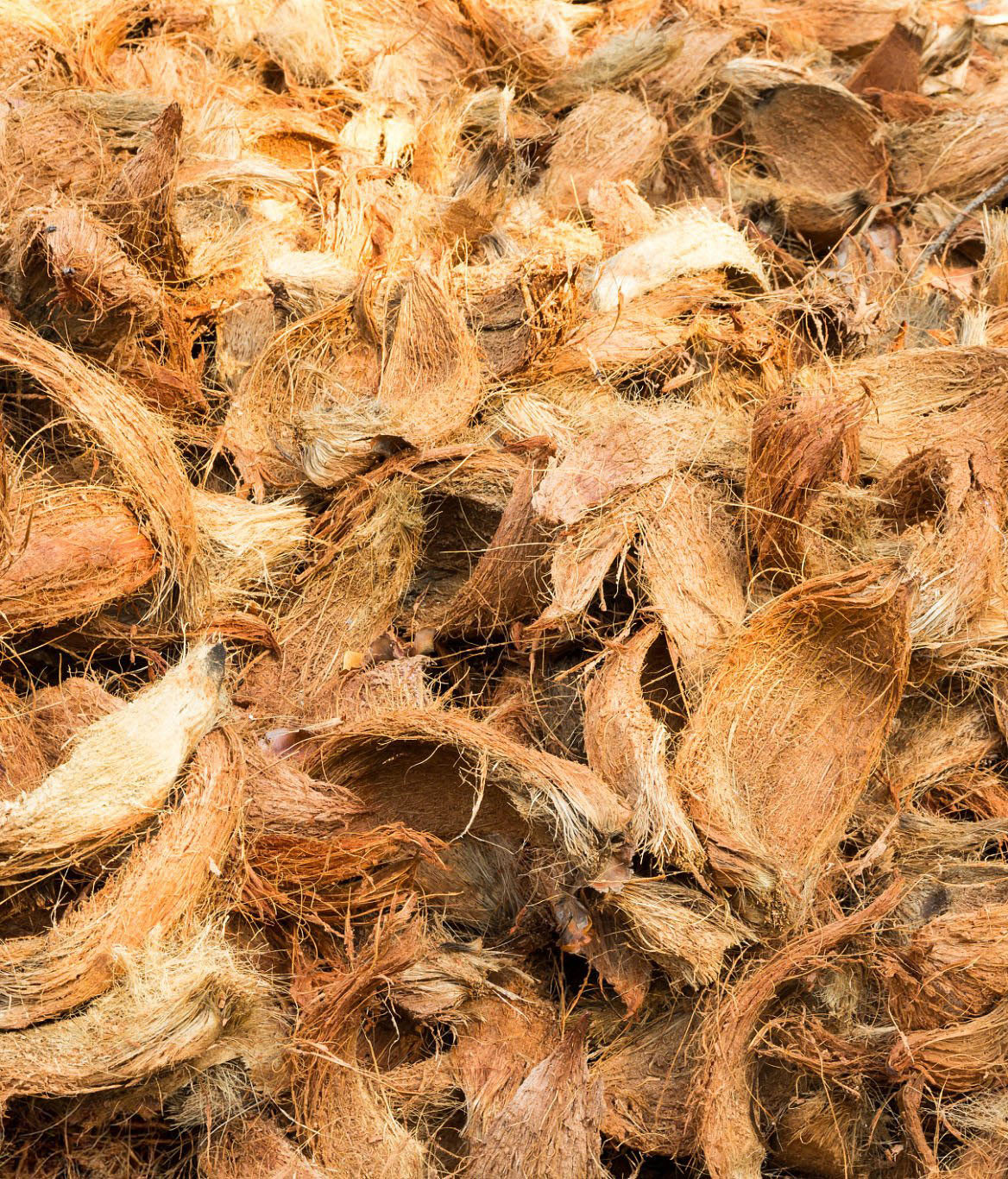
Close the loop with upcycled waste
Waste coconut husks upcycled into high-performance growing media — nothing burned, nothing landfilled.
Waste coconut husks upcycled into high-performance growing media — nothing burned, nothing landfilled.

Source responsibly, grow confidently
Meets and exceeds regulatory standards, regular audits, above-average wages, skills training.
Meets and exceeds regulatory standards, regular audits, above-average wages, skills training.
Better for your garden. Better for our planet.
When I read that drained and degraded peatlands contribute around 4% of annual global human-induced greenhouse gas emissions, according to the Global Peatlands Assessment published by the UN Environment Programme - I knew I had to act. I realized I could bring a better product to the marketplace while making a positive impact for future generations
— Brian Luborsky, Founder
Learn More
Environmental
Peat-Free. Climate-Smart. Proven to Grow Better.
PlantBest coco products give growers what they need today - stronger plants, less watering, easier handling and reliable performance - while supporting the future we all need: less waste, healthier ecosystems and lower-impact growing.
1. Renewable Circular Products
Turning coconut waste into growing power
Coconut coir is derived from the outer husk of coconuts. Coconut trees produce fruit many times a year, creating a constant supply of coconuts for the food industry, and a huge surplus of waste husks. For example, ~62 million tonnes of coconuts were produced on a global level in 2019, creating about 20 million tonnes of husks and a theoretical potential of 6 million tonnes of coir (Food and Agriculture Organization of the United Nations, 2021). Left unused, these husks are burned, dumped or wasted.
PlantBest upcycles this waste stream into high-performing growing media that supports healthier plants and reduces environmental pressure. Our coco products are renewable, biodegradable and designed for the future of growing. It is a simple circular economy* story: take a by-product, keep it in use, create value and reduce waste.
*Coconut coir is a ‘circular economy’ product, whereby unused coconut husks (fibrous outer shell) are kept in circulation instead of becoming waste. The circular economy tackles climate change and other global challenges, like biodiversity loss, waste, and pollution, by decoupling economic activity from the consumption of finite resources. It is based on three principles: eliminate waste and pollution, circulate products and materials (at their highest value), and regenerate nature (Ellen Macarthur Foundation).
2. More Sustainable than Peat
Smaller carbon footprint. Massive climate benefit.
Peatlands are powerful natural carbon sinks that cover just 3% of the world’s land. Though peatlands cover only a small share of the planet’s land surface, they play an outsized role in climate protection. Peatlands store carbon, filter water, reduce flood and drought risks, support biodiversity, help regulate local ecosystems and store ~30% of global soil carbon - twice as much as all the world’s forests combined. Peat is a type of soil often found in waterlogged environments made from layers of decaying plants built up over hundreds to thousands of years enabling the storage of carbon.
When peat is harvested or drained, these ecosystems are damaged and methane gas, which is 27x more potent than carbon dioxide, is released. According to the United Nations Global Peatlands Assessment (2022), drained and degraded peatlands contribute ~4% of annual global human induced greenhouse gas emissions. Because peat forms and regenerates incredibly slowly, at about 1 mm per year, it can take centuries to recover from damage (World Economic Forum, 2025). Only 17% of peatlands are protected, while about 500,000 hectares are destroyed each year and roughly 50 million hectares have already been drained worldwide (United Nations Environment Programme, 2022). In Canada, emissions from peat extraction increased 133% from 1990 to 2021 and emissions from peatland drainage continue to grow (Environment and Climate Change Canada, 2023).
To be clear, horticultural peat harvesting represents a small fraction of the total released emissions; the majority of emissions are tied to large scale drainage for agriculture, forestry, and land development. Nevertheless, peatlands’ role in global carbon dynamics has placed all peat extraction under increased scrutiny.
Choosing PlantBest coco products helps protect these vital carbon sinks by replacing peat with a renewable, high-performing growing medium that enables healthier plants, smarter water use and a healthier planet.
3. Proven Growing Performance
Proven performance backed by research
Coco coir creates an ideal root environment: aeration, moisture-retentive and resistant to algae, pests, and compaction. Its natural lignin structure supports oxygen flow, root development and nutrient uptake, helping plants grow stronger and more consistently. The air-filled porosity, which determines how much air a growing media is able to retain with water for healthy roots, ranges from 10-20% for coir, and 5-15% for peat. Unlike peat, which can compact, coir holds its structure through longer growing cycles. This has been noted in particular by blueberry growers, who’ve cited growing blueberries in coir for up to ten years. (Royal Horticulture Society article, 2026)
Extensive testing conducted by the University of Guelph - recognized as one of the world’s top ten agricultural research institutions - confirmed the superior performance of PlantBest Coconut Coir Growing Containers. Compared to leading peat-based and alternative growing mediums, PlantBest Coir pots consistently deliver equal or better results across key metrics, making it a trusted choice for both commercial and home growers.
A university study by the China Agricultural University & Beijing Academy of Agriculture and Forestry Sciences showed that compared with rockwool, coconut coir showed higher potassium and sulphur uptake by tomato crops, photosynthesis, individual fruit weight and total fruit yield, and lower uncredited nutrient (the lower, the better). Compared with peat-vermiculite, coconut coir showed higher phosphorus and potassium uptake and total fruit yield. (Source: ‘Comparison of Coconut Coir, Rockwool, and Peat Cultivations for Tomato Production: Nutrient Balance, Plant Growth and Fruit Quality’, China Agricultural University & Beijing Academy of Agriculture and Forestry Sciences, Aug 2017).
Choosing PlantBest coco products means dependable performance for home gardeners, greenhouse growers, soft fruit producers, cannabis cultivators and commercial operations.
4. Water-Smart Growing
Water less. Grow more confidently.
Coco coir holds up to 9 times its dry weight in water, reducing the need for frequent watering, which is why it’s been used as a growing medium for decades particularly in arid regions of Asia, such as Sri Lanka and India. PlantBest coco soil can stay moist up to 5 times longer than traditional topsoil, while still supporting aeration and drainage. Unlike peat, which can become difficult to re-wet.
For growers facing drought, rising water costs or inconsistent watering, coir offers a more forgiving, water-smart solution.
5. Aligned With Global Trends
Peat-free is the future of growing
Climate impacts are increasing pressure to do more with less – grow more resilient crops with higher yields in a world of increasing resource constraints (water, land) and physical climate change effects (drought, infestations, floods, fires). Because peatland harvesting and degradation contributes to global warming, peat supply is a more constrained and closely examined space than it was historically. The UK is banning peat in horticultural production in 2026, signaling a change in how plants and growing media will be produced. Other EU countries (e.g., Germany & Norway) are banning the retail sale of peat in 2026. Across the world, growers, retailers, and consumers are moving toward peat-free, renewable, and lower-impact growing media.
In parallel, the global trend of organizations setting targets to reduce greenhouse gas (GHG) emissions from their operations and supply chains continues despite geopolitical landscapes. Scope 3 (indirect) GHG emissions generally account for >90% of retailers’ GHG footprint. Many retailers have commitments to reduce Scope 3 emissions from purchased goods and services and the use of their sold products, and to increase the circularity and/or sustainability of their product assortment, while providing customers with quality products that meet their needs.
Coco coir is ready for this shift. It supports controlled growing, container growing, urban gardening, hydroponics and high-yield production, all while helping companies meet sustainability, circularity and Scope 3 greenhouse gas emission reduction goals.
Social
A Responsible Supply Chain
Proud of what we make and how we make it
PlantBest works closely with our production partners in India and Vietnam to support quality, safety and responsible operations. Our factories meet or exceed local regulatory standards, undergo regular audits by North American customers and provide stable employment, skills training and wages above country averages in rural communities. We are proud to deliver products that perform and proud of the people and processes behind them.
“Our coco coir production in India promotes agriculture and people’s livelihood. The coco coir production directly and indirectly helps everyone by stimulating trade and jobs; the sentiment is very positive.” — Kanda, Factory lead in India
“In Vietnam, the employees live around the coco coir factory; the factory supports our rural small town. Before the factory, the primary employment for the rural inhabitants was rice farming in the hot sun everyday. The community found relief with the factory – it provides shelter and positive preferred working conditions. The coco coir factory provides a good stable salary, where workers could only get paid for rice harvested on the fields, which was weather and market dependent. The factory has brought the community together, for example, the local market outside the factory.” — Nam, factory owner in Vietnam
Governance
Governance and Oversight
Built for trust, scale and long-term value
PlantBest’s governance ensures strong strategic accountability and responsible growth as the company scales across retailers, distributors and professional growers. Our leadership team provides direction and oversight on:
- Strategy and growth: We achieve governance of corporate strategy, sales and growth through active leadership oversight of market priorities, customer channels, product innovation and global sourcing. We regularly assess market demand, product-market fit, channel performance and the highest-value growth opportunities. The company translates strategy into disciplined execution by aligning sales plans, expansion opportunities, supply capabilities, capital allocation and performance monitoring with clear revenue targets and business outcomes. This ensures we can scale responsibly, serve retailers and growers reliably, and invest in the products, partnerships and markets that support long-term growth.
- Financial performance and capital allocation: We achieve governance of financial performance and capital allocation by connecting growth plans to disciplined financial management. This means monitoring revenue targets, gross margin, working capital, inventory levels, freight costs, and other financial metrics regularly. We allocate capital to the areas that create the strongest long-term value: supply reliability, product innovation, quality systems, commercial sales capability and scalable North American distribution.
- Risk Management and compliance: Our risk oversight focuses on the realities of a cross-border supply chain: sourcing concentration, factory performance, shipping disruption, regulatory changes, product claims, tariffs, customer compliance requirements and reputational risk. We oversee our value chain, ensuring that our coco products are responsibly sourced, rigorously tested, aligned with regulatory trends and designed to deliver environmental benefits, commercial performance and long-term value creation.
- Operational excellence and accountability: We achieve operational governance by ensuring delivery of consistent quality products at scale. This is achieved via oversight of factory audits, product specifications, quality control testing, packaging quality, order accuracy and on-time fulfillment. We have rigorous in house and third-party product testing for quality markers such as EC, pH, moisture, particle size, expansion rate, impurities, compression, weight and packaging integrity. For larger growers, consistency is not a nice-to-have, it directly affects irrigation, fertigation, root health, yield and trust, so we understand the requirement of ensuring product integrity and customer trust. We are focused on consistent performance, regulatory readiness and long-term value for retailers, growers and investors.
- Ethics, sustainability and stakeholder responsibility: Sustainability is one of our strategic growth levers and integrated into business decisions, product design, sourcing, manufacturing, audits, shipping, customer awareness and partnerships. We work closely with our production partners in India and Vietnam to ensure human rights, health & safety, and responsible supply policies are adhered to via internal and external audits, factory visits, and frequent discussions. Our factories meet or exceed local regulatory standards and undergo regular audits by North American customers. We provide stable rural employment, skills training and wages above country averages for employees in our supply chain.